


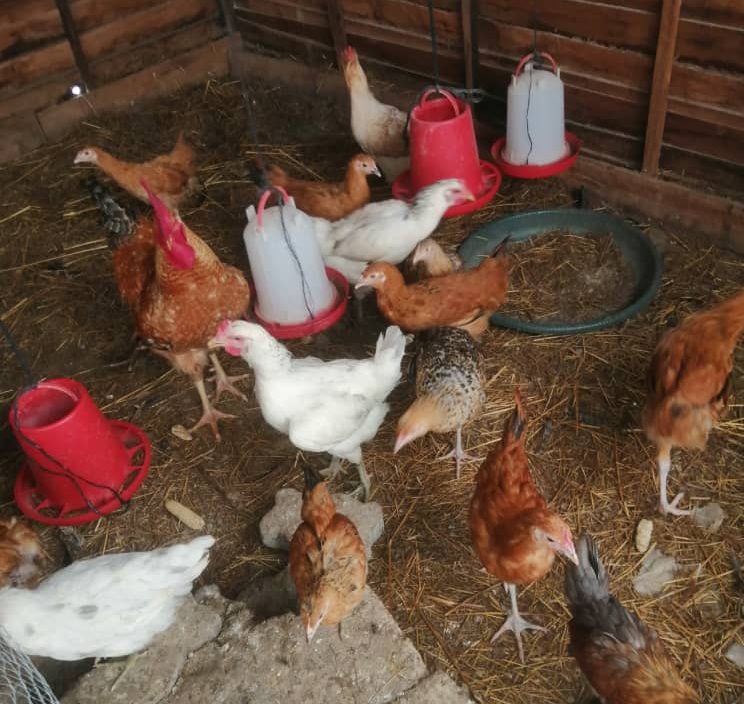
Women in peri-urban areas such as Chitungwiza face a distinct but often overlooked form of poverty.
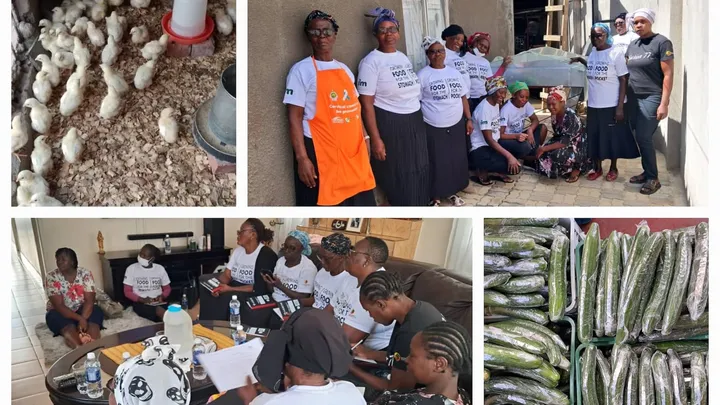
As SWET, we’re aware of the funding challenges in our environment, and we’re taking proactive steps to ensure our programs continue to make a difference in 2026. We’re excited to share our plans and invite you to join us! Your contribution will help us drive meaningful change in the communities we serve. Donate today: https://gofund.me/d5ee3fc21. Join us for the virtual fundraiser: https://www.facebook.com/share/1CARohBu96/.
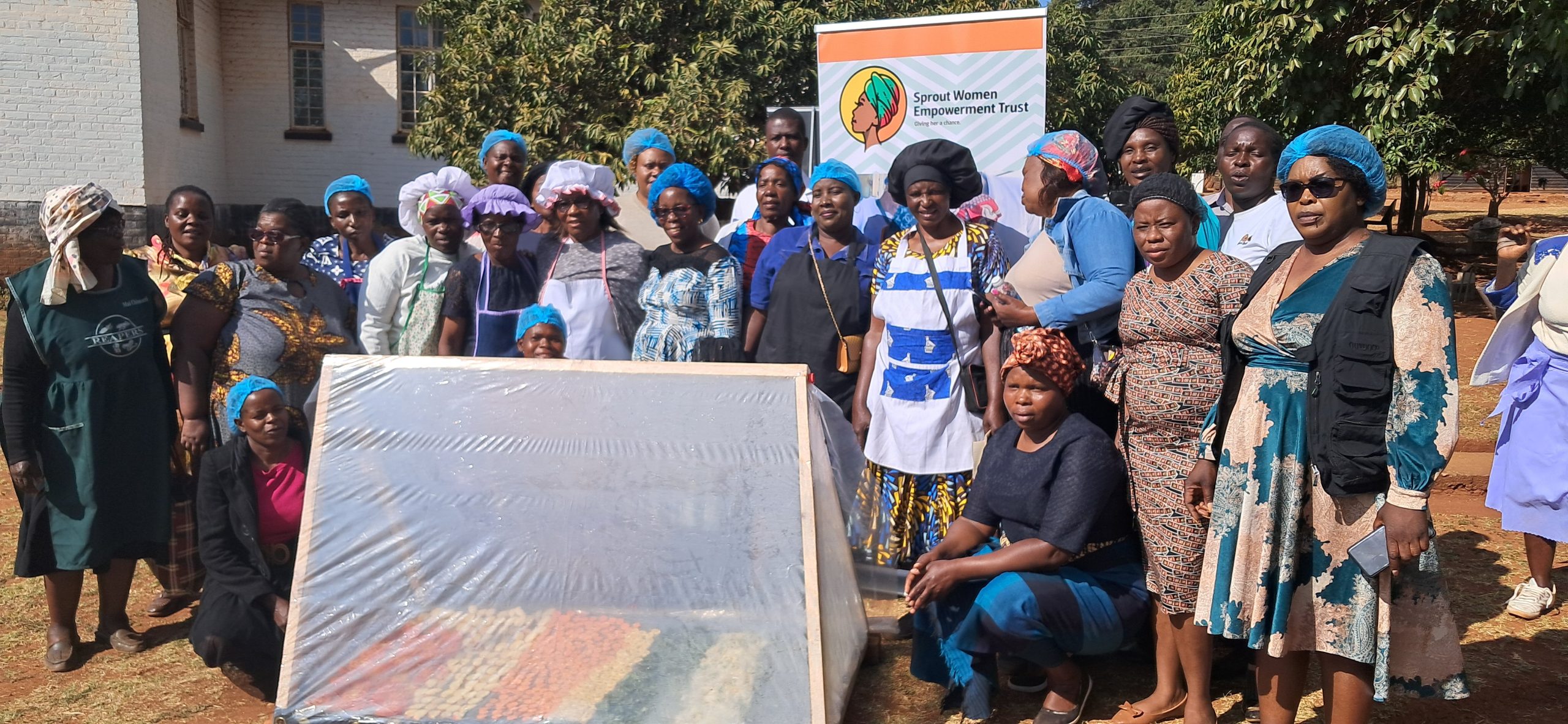
In Mazowe, women are turning harvest challenges into income opportunities — thanks to hands-on training in value addition and the introduction of a mobile solar dryer. This lightweight, portable innovation is helping reduce post-harvest losses while boosting earnings through dried produce. From preserving tomatoes to crafting market-ready packages, women are gaining skills that put them in control of their produce, time, and profits.
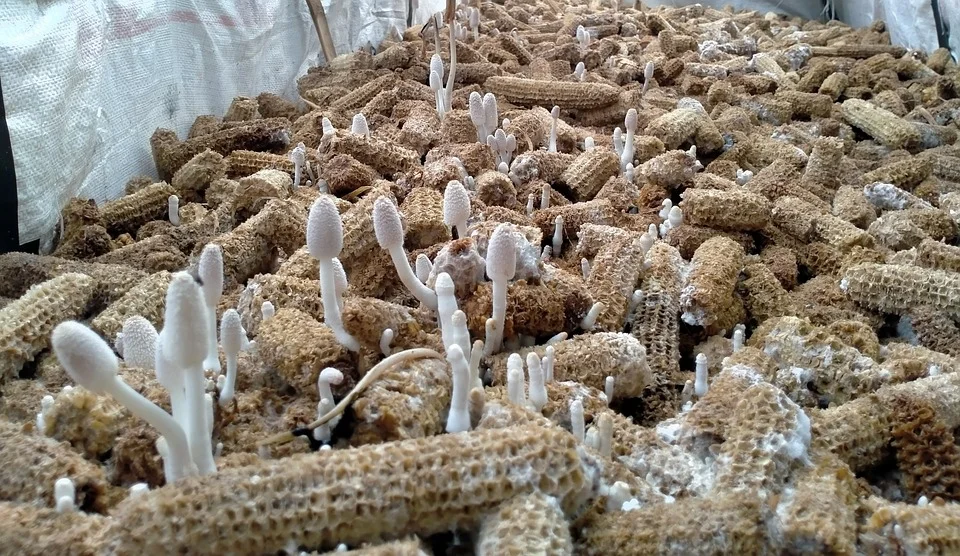
In Chiweshe, women are turning what was once waste into wealth by using maize cobs — a common byproduct — to grow mushrooms. This simple yet powerful shift from cotton husks to maize cobs is making mushroom farming more accessible, affordable, and locally rooted. It’s not just an innovation in agriculture; it’s a story of women leading with resourcefulness, reshaping their livelihoods, and proving that sustainable change often begins with what’s already in our hands.
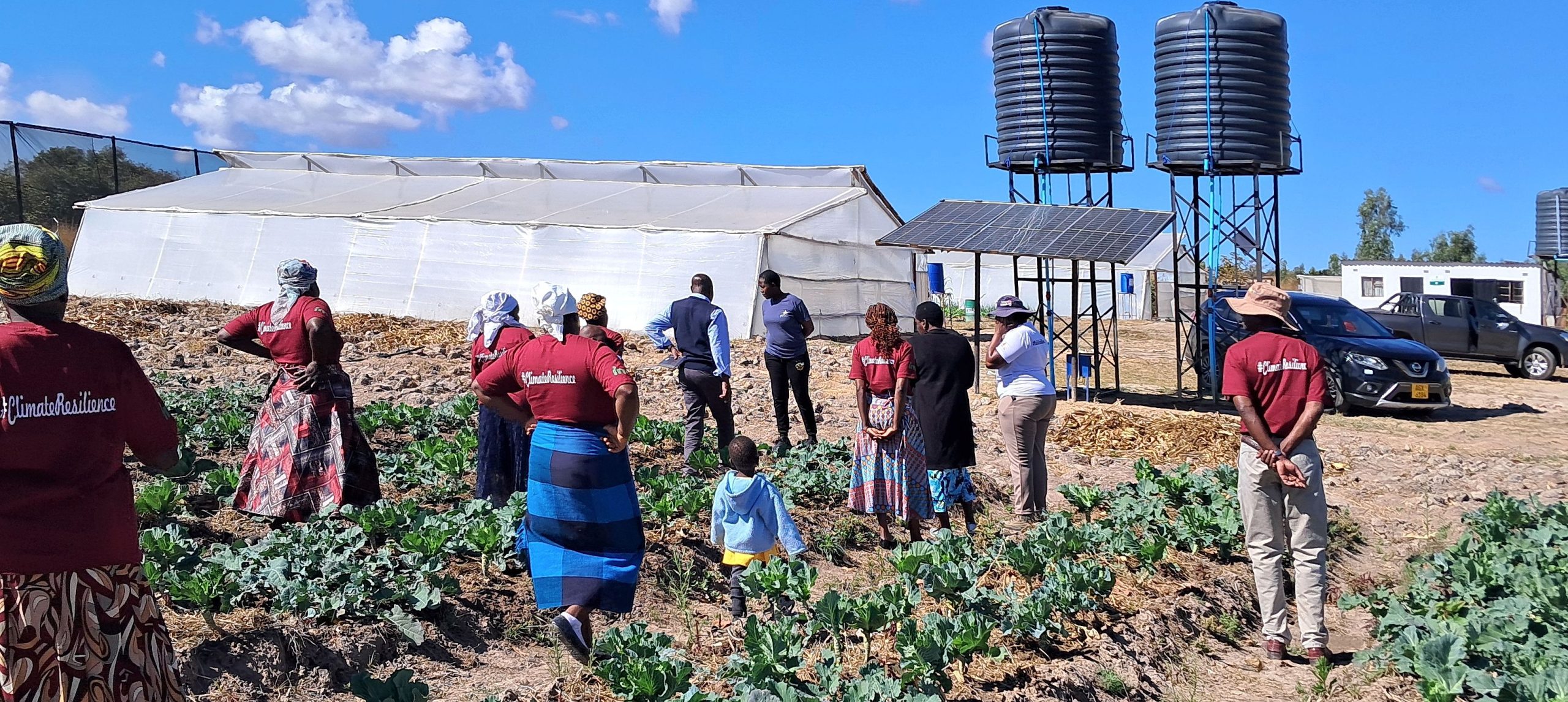
Discover how our partnership with the Women’s University in Africa has enabled us to empower women through sustainable mushroom farming, providing not only income but also environmental solutions in response to pressing challenges. Together, we are fostering resilience and improving livelihoods in communities across Zimbabwe.
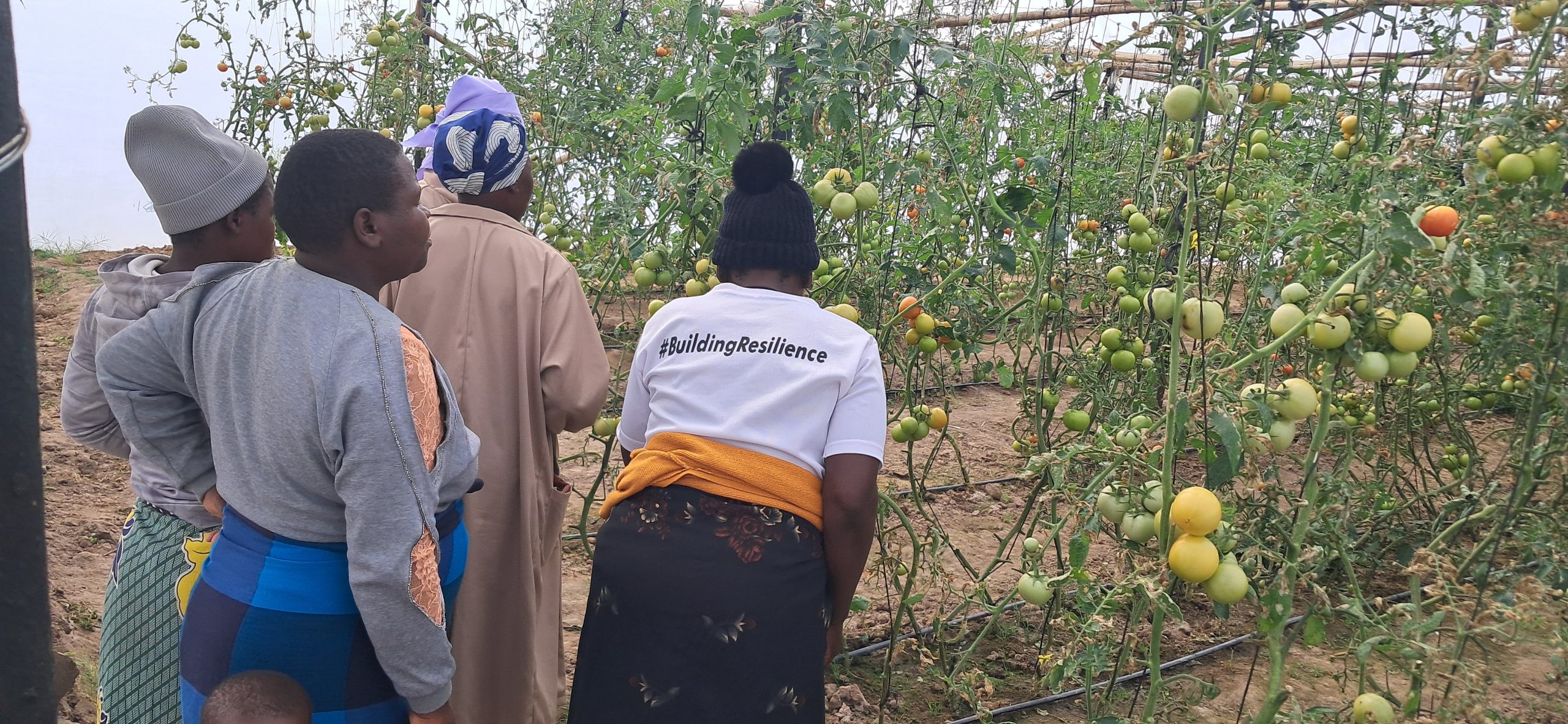
Learn how Sprout Women Empowerment Trust is empowering women farmers and amplifying their voices in the fight for sustainable food security.
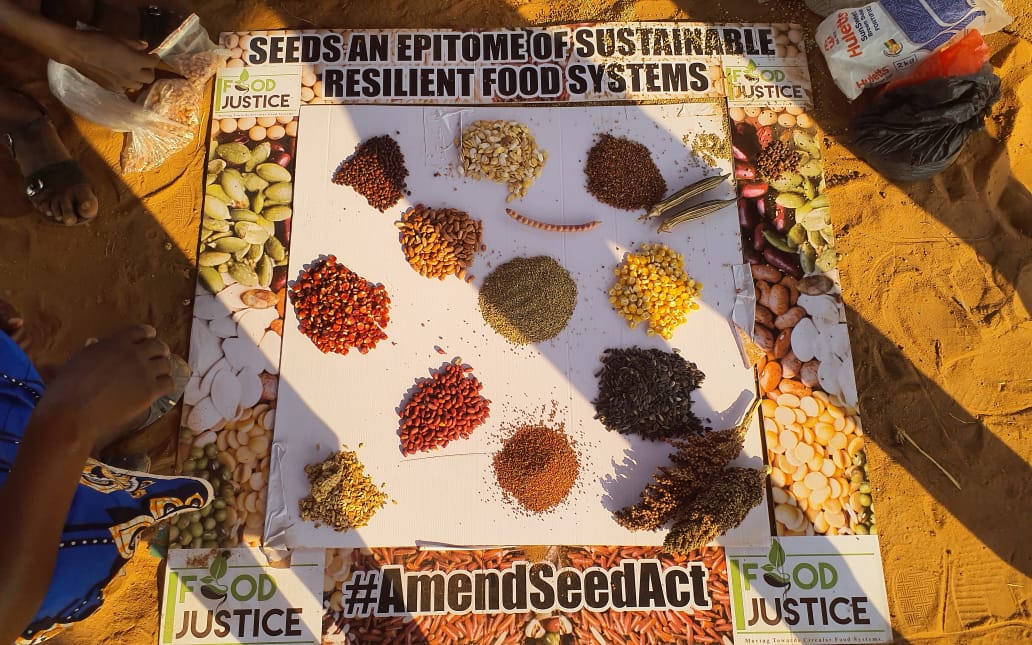
Our indigenous seed and knowledge handbooks serve as comprehensive resources, providing farmers with practical guidance on seed selection, planting techniques, and cultivation practices tailored to their specific agricultural regions.
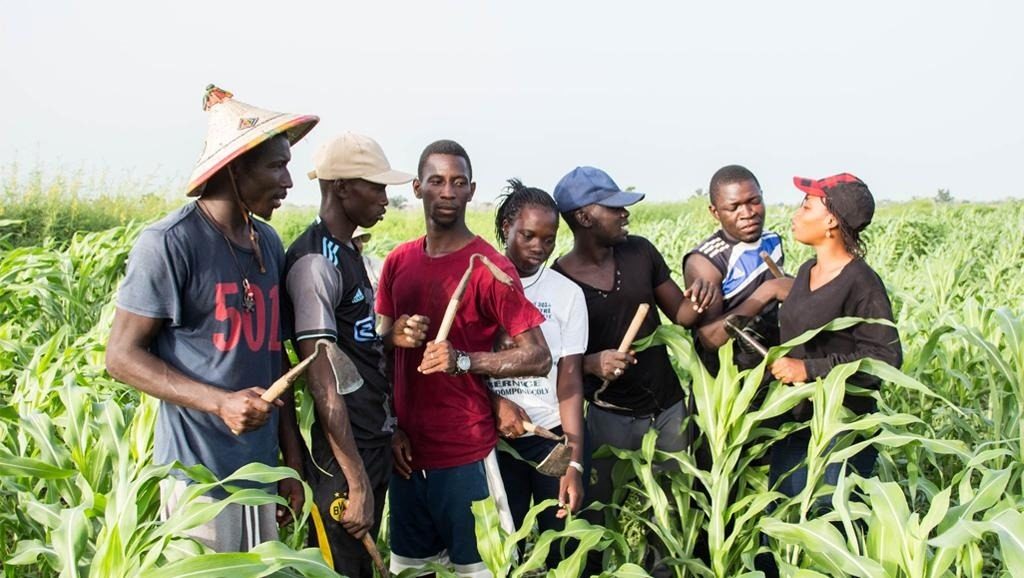
In regions like Binga, where opportunities may seem scarce, equipping young people with the knowledge, skills, and resources needed to start and sustain their own businesses is critical for fostering sustainable livelihoods and driving community development.
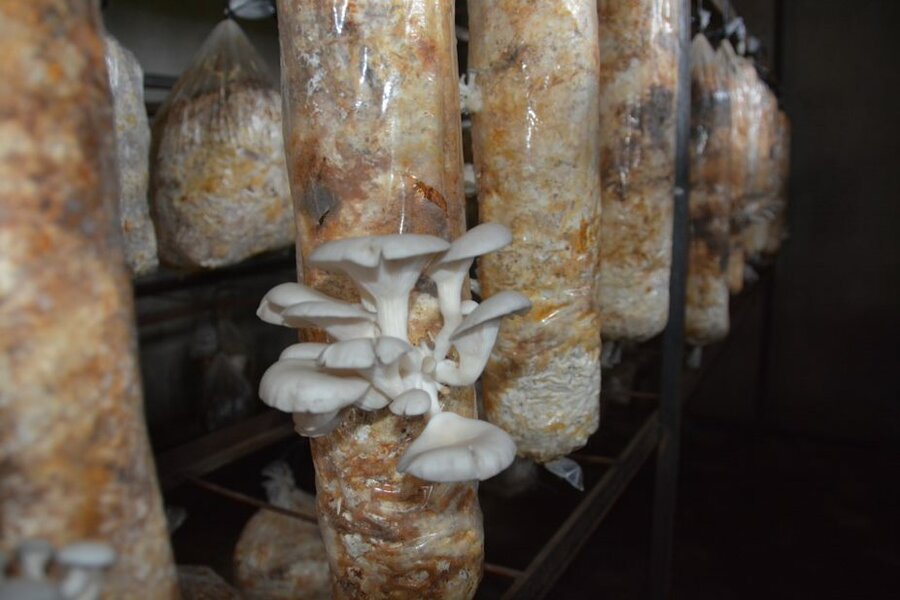
Discover how Sprout Women Empowerment Trust is transforming lives through oyster mushroom cultivation training in Chitungwiza. Learn how this initiative is empowering women to diversify their livelihoods and build resilience in the face of economic challenges.
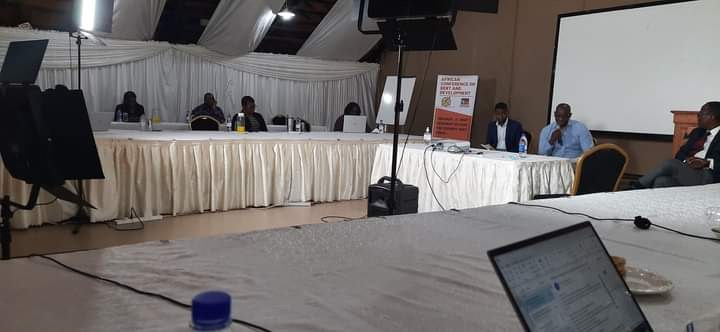
Sprout Women Empowerment Trust is attending the African Conference on Debt and Development (AFCODD)ll being held in Harare today. Participating on Zimbabwe arrears clearance strategy and reflecting on public debt report in the mid term review statement.
- 1
- 2