


Cultivating Tradition: SWET Indigenous Seed and Knowledge Handbooks
Our indigenous seed and knowledge handbooks serve as comprehensive resources, providing farmers with practical guidance on seed selection, planting techniques, and cultivation practices tailored to their specific agricultural regions.
In the end, our society will be defined not only by what we create but by what we refuse to destroy.
In the face of climate change and evolving agricultural practices, preserving indigenous seeds and knowledge becomes paramount. Sprout Women Empowerment Trust (SWET) has taken a significant step forward with the development of our community indigenous seed and knowledge handbooks, made possible with the support of Urgent Action Fund. These handbooks are not just guides; they’re lifelines for rural farmers, particularly women and youths, offering essential insights into traditional grain cultivation amidst changing environmental conditions.
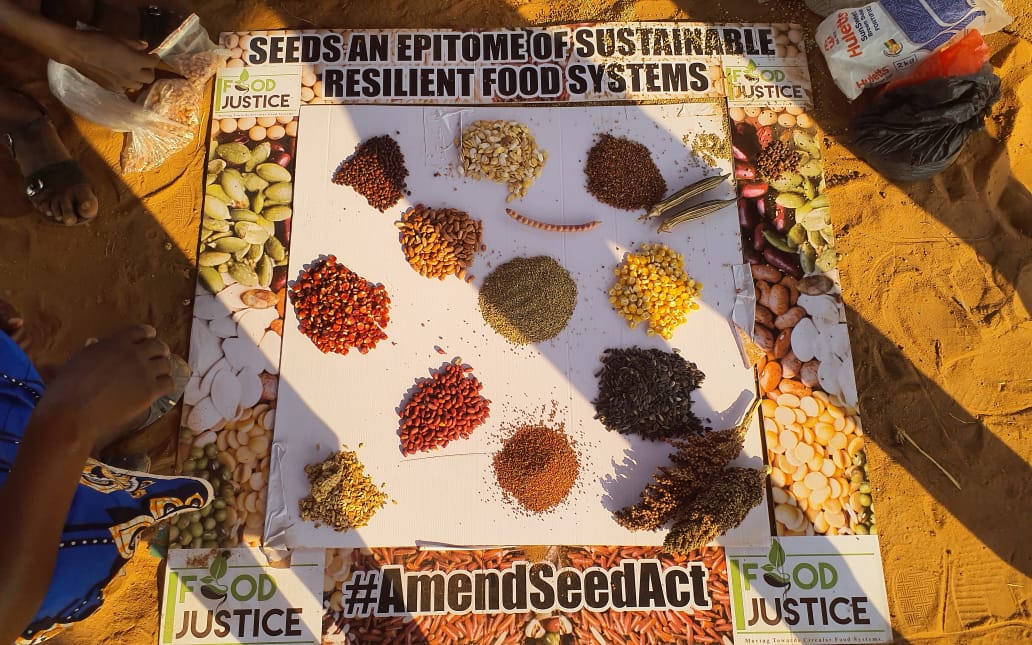
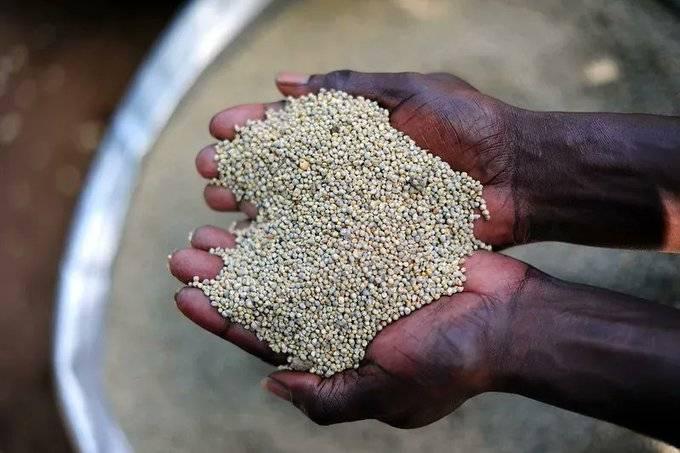
Traditional grains like sorghum, pearl millet, and finger millet hold immense potential for rural farmers across different regions. They are resilient crops, well-suited to withstand varying climate conditions while offering sustainable food sources and economic opportunities. Our indigenous seed and knowledge handbooks serve as comprehensive resources, providing farmers with practical guidance on seed selection, planting techniques, and cultivation practices tailored to their specific agricultural regions.
One of the critical aspects of these handbooks is their accessibility. Recognizing the diverse linguistic landscape of our communities, we ensured that the content was available in both English and the local Shona language. By bridging language barriers, we aim to ensure that indigenous knowledge remains accessible and relevant within rural communities, empowering farmers to make informed decisions about their agricultural practices.
The distribution of these handbooks, particularly to young people in Binga, signifies our commitment to nurturing the next generation of farmers and custodians of indigenous knowledge. By equipping youths with the tools and resources they need to engage with their cultural heritage, we not only preserve tradition but also foster a sense of pride and ownership within the community.
As we reflect on the significance of these handbooks, we are reminded of the importance of collective action in safeguarding our agricultural heritage. By valuing and promoting indigenous seeds and knowledge, we not only enhance food security and livelihoods but also contribute to the resilience and sustainability of our communities.
In conclusion, the development of our SWET Indigenous Seed and Knowledge Handbooks represents a pivotal moment in our ongoing efforts to promote sustainable agriculture and empower rural communities. With these resources in hand, we embark on a journey of growth, resilience, and cultural preservation, ensuring that the legacy of those that came before us continues to flourish for generations to come.
