


Women Leading the Way: Transforming Food Systems for Climate Resilience
Learn how Sprout Women Empowerment Trust is empowering women farmers and amplifying their voices in the fight for sustainable food security.
Women hold the key to sustainable food systems. By preserving indigenous knowledge and advocating for gender-responsive policies, they are leading the way towards a more resilient future.
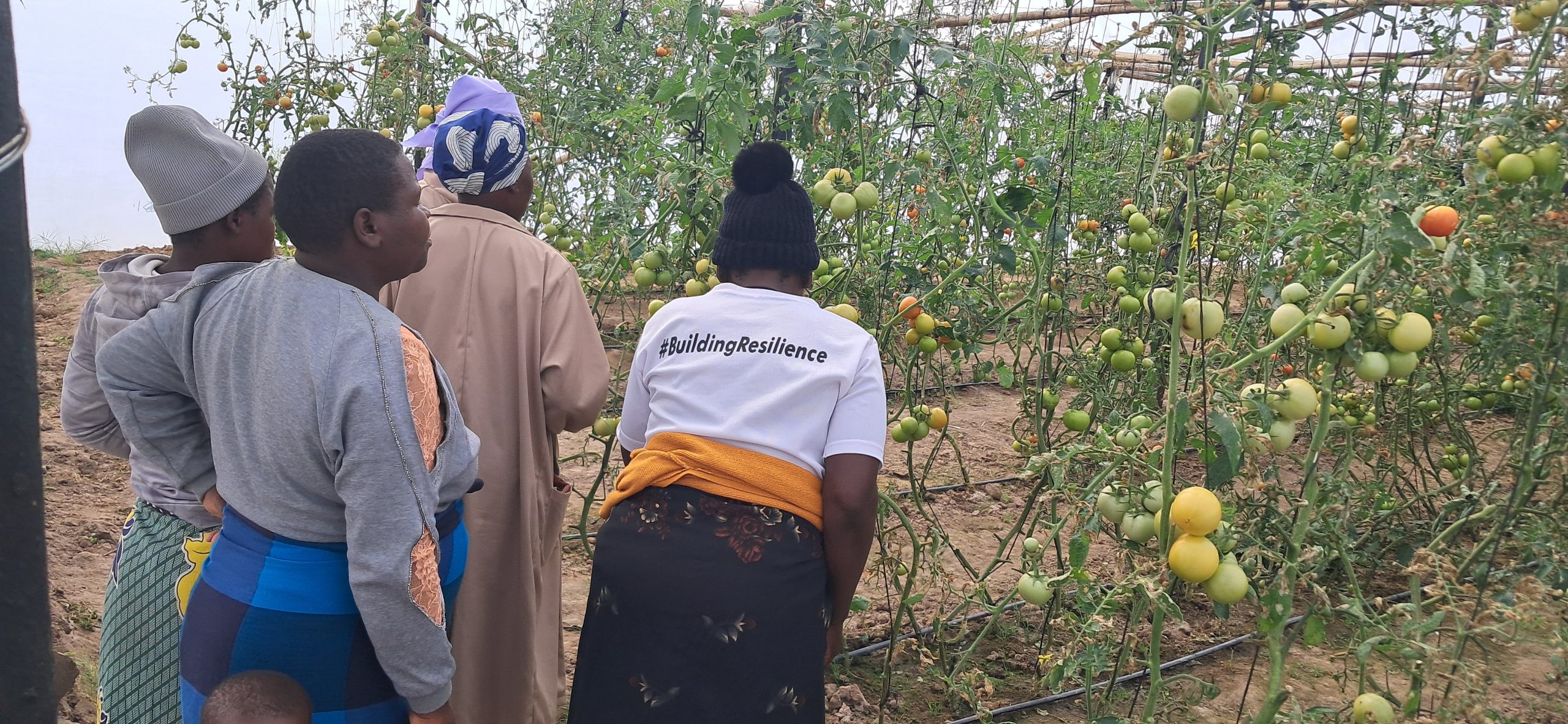
In the face of climate change and its far-reaching effects on food security, women are emerging as key agents of change, transforming traditional practices and advocating for sustainable solutions. At Sprout Women Empowerment Trust (SWET), we recognize the critical role that women play in preserving indigenous knowledge systems and adapting to the challenges posed by a changing climate.
Climate change poses a significant threat to indigenous biodiversity and traditional farming practices, putting livelihoods at risk. To address these challenges, SWET is committed to supporting women farmers in preserving and multiplying their local seeds. Through policies, legal measures, and long-term technical support, we aim to empower women to safeguard their seed sovereignty and ensure the resilience of food systems.
In collaboration with Urgent Action Fund, SWET has launched initiatives to raise awareness among women farmers about the importance of seed sovereignty and advocate for gender-responsive policies in food systems. By creating spaces for dialogue and collaboration, we seek to amplify the voices of women and ensure their inclusion in shaping the future of food production and distribution.
As part of the 5 SYSTEMS – ZIMBABWE project, SWET organized a breakfast meeting and a food and seed festival to engage stakeholders and promote discussions on transforming food systems. These events provided opportunities for women to showcase their resilience, share knowledge, and advocate for policies that protect their rights in the face of a fragile climatic environment.
Through these initiatives, SWET is empowering women to lead the way in transforming food systems for climate resilience. By harnessing indigenous knowledge, advocating for gender-responsive policies, and fostering collaboration, we are working towards a future where women can enjoy their right to food security and protection.
